
Project Leads
Maria Paula Bautista Acelas, Senior Scientific Project Manager, DIA
Maria Vassileva, Chief Science and Regulatory Officer, DIA
Why This Matters
Cancer treatments are more effective but increasingly complex. Yet there is no universal definition of treatment tolerability in immuno-oncology. Current measures focus on side effects and discontinuation rates, missing critical aspects of patients’ daily lives.
This gap makes it harder for clinicians and patients to make informed decisions and limits regulators’ ability to fully evaluate therapies.
To address this, DIA has launched the first phase of a global study to create the first standardized, patient-centered definition of treatment tolerability—one that combines clinical data with patient experience to better guide trial design, reporting, and patient care.

Patient Voice
Tolerability isn’t just about side effects—it’s about whether patients can keep living their lives while on treatment .
What We’re Doing
Study Objectives
- Unify perspectives: Bring together clinicians, patients, and researchers to agree on a rigorous, patient-centered definition.
- Go beyond safety endpoints: Include factors like treatment logistics, symptom burden, and quality of life.
- Deliver practical tools: Recommend trial designs, analytical methods, and PRO (patient-reported outcome) measures to assess and compare tolerability across treatments.
Key Activities in Phase I
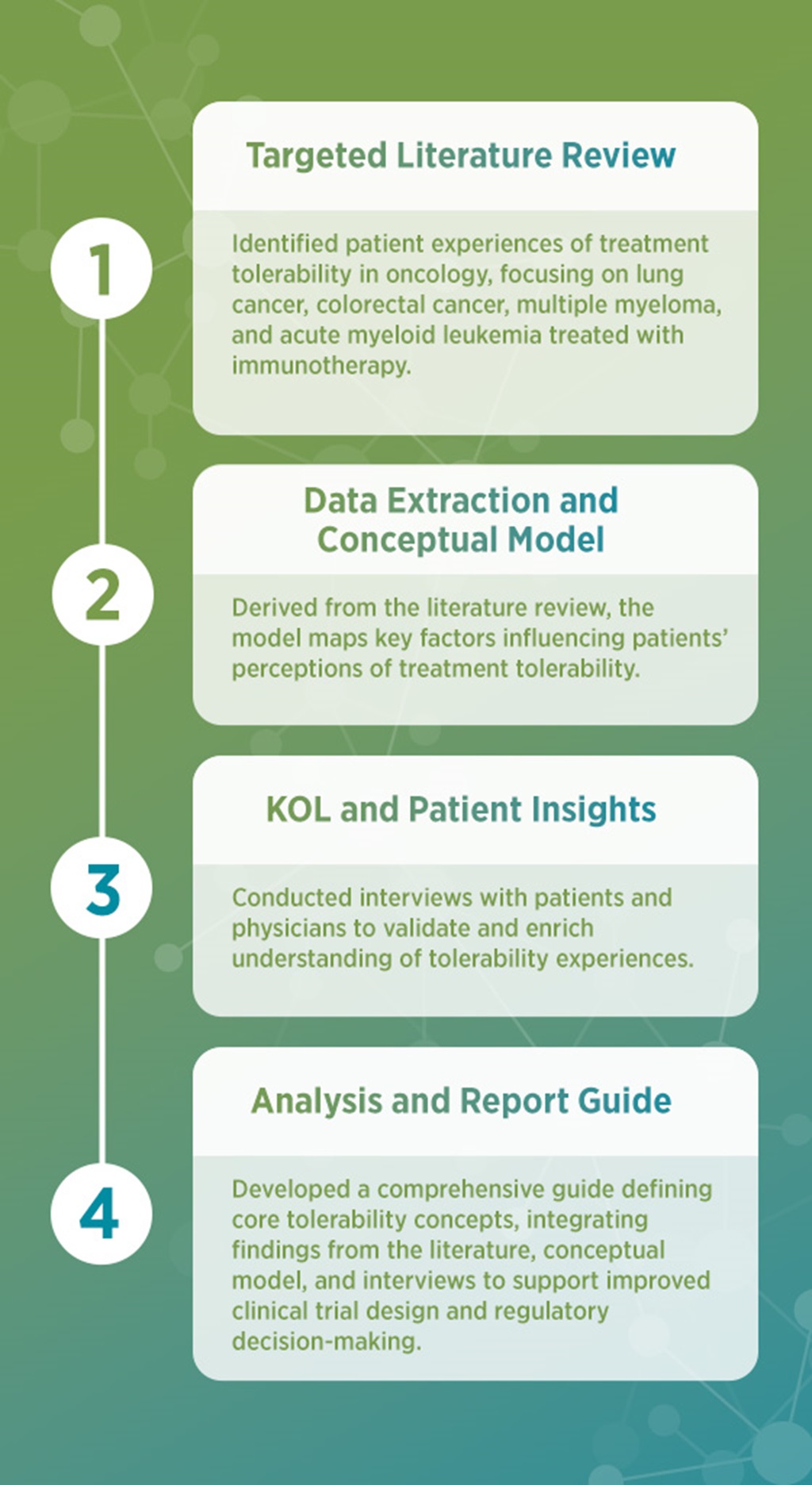
- Literature review and conceptual model development
- Direct input from patients and key opinion leaders (KOLs)
- Identification of relevant PRO measures or gaps needing new tools
- Analysis, reporting, and transparent dissemination of results
This phase will generate real-world evidence to improve patient–clinician conversations and support shared treatment decisions.


Sharing Our Progress
-
Conferences
View Photos
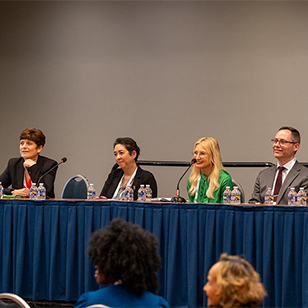
DIA 2025 Global Annual Meeting (Washington, D.C.)
DIA Europe 2025 (Basel)
-
Publications
Read Article
Global Forum (April 2023): “Immunotherapies Merit Unique Patient‑Reported Outcomes to Inform Treatment Tolerability”. co-created with study partners to set the foundation for this initiative.
-
Get Involved
Help shape the future of patient-centered oncology care.
Contact us: Science@DIAglobal.org
Explore Our Latest Projects





Learn More About Our Work
If you or your organization want to learn more about DIA’s Research projects or Think Tanks please contact Science@DIAglobal.org.